Revealing the Culinary Heritage of Western Australia: an Understanding Into Its Delicious Food Scene
Western Australia flaunts a cooking heritage that integrates Native customs with contemporary gastronomy. This dynamic food scene is marked by the use of indigenous ingredients and a dedication to sustainability. Cooks are reimagining traditional dishes while honoring the region's rich seafood society. The expedition of local red wine areas even more boosts this cooking trip. However, what absolutely sets Western Australia apart is the story behind its flavors, waiting to be discovered.
The Influence of Aboriginal Food
Commemorating Regional Produce and Sustainability
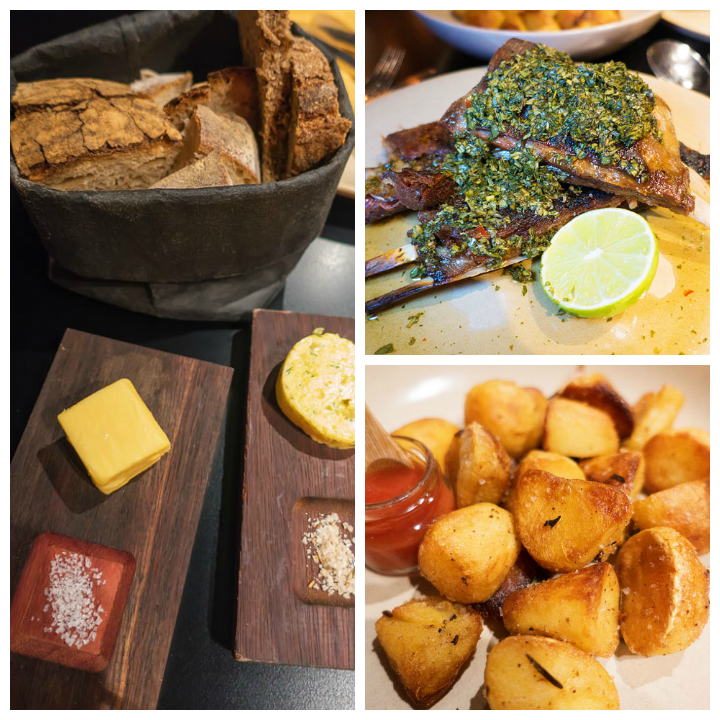
As the culinary scene in Western Australia progresses, a solid focus on regional produce and sustainability arises, reflecting a dedication to the area's agricultural heritage. Farmers' markets grow, showcasing seasonal fruits, veggies, and artisanal goods that link customers directly to the source. Several dining establishments focus on sourcing active ingredients from neighborhood farmers, promoting a sense of area and sustaining small-scale farming. This activity not only boosts the freshness of dishes but additionally decreases carbon footprints connected with transportation. Furthermore, efforts promoting organic farming and regenerative methods are acquiring grip, encouraging restaurants and chefs alike to accept environmentally mindful choices. The cooperative connection between producers and the culinary area emphasizes a dedication to protecting the land while celebrating its rich bounty, making Western Australia's food scene both lively and sustainable.
The Rise of Cutting-edge Chefs
The concentrate on local produce and sustainability has actually led the way for a new generation of innovative cooks in Western Australia. These cooking pioneers are redefining the dining landscape by embracing native active ingredients and conventional food preparation methods while incorporating modern panache. They typically team up with regional farmers, fishermen, and foragers, promoting a feeling of neighborhood and making sure the freshest active ingredients are made use of. This cooking motion emphasizes creative thinking, as chefs trying out flavors and presentation, attracting motivation from worldwide patterns and varied cultures. The rise of ingenious chefs has not just elevated the food scene yet also brought in interest from food fanatics and movie critics alike, making Western Australia a dynamic center for culinary expedition and quality.
Iconic Dishes of Western Australia
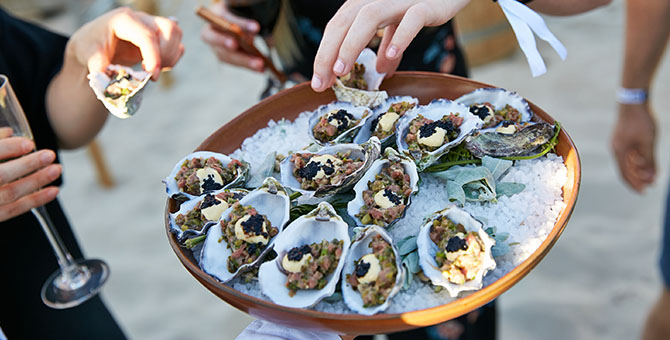
While exploring the culinary landscape of Western Australia, one can not overlook the renowned dishes that symbolize the area's rich heritage and diverse tastes. Yorgo Kattan. The well known meat pie, a precious staple, showcases the impact of British settlers, while the succulent marron, a freshwater crayfish, highlights the neighborhood seafood society. Another standout is the bush tucker-inspired kangaroo, frequently served with native natural herbs, mirroring the Aboriginal culinary customs. In addition, the savory lamb from the plentiful fields of the southwest has garnered recognition for its top quality and taste. The area's trademark dish, fish and chips, rises by the freshness of neighborhood catches, offered alongside sensational coastal views. These dishes collectively paint a vivid image of Western Australia's cooking identity
A Trip Via the Red Wine Areas
Discovering the wine regions of Western Australia reveals a tapestry of terroirs that add to the state's credibility as a premier wine-producing area. The famous Margaret River attracts attention, recognized for its remarkable Cabernet Sauvignon and Chardonnay, attracting site visitors with its sensational landscapes and boutique wineries. To the eastern, the Great Southern region showcases a diverse environment, creating stylish Rieslings and robust Shiraz. The Swan Valley, among Australia's oldest a glass of wine areas, provides an one-of-a-kind blend of heritage and modern vineyards, highlighting fortified red wines. Each region mirrors its unique climate and dirt, cultivating a rich range of tastes. A glass of wine enthusiasts can indulge in tastings and vineyard scenic tours, deepening their admiration for Western Australia's vibrant a see page glass of wine society.
Frequently Asked Questions
What Are the most effective Food Celebrations in Western Australia?
The very best food events in Western Australia include the Margaret River Gourmet Getaway, Perth's Eat Consume alcohol Perth, the Fremantle Markets, and the Perth Royal Show, each celebrating regional fruit and vegetables and culinary creativity via diverse tastes and experiences. Yorgo Kattan.
Just How Can I Experience Typical Native Food Preparation?
To experience traditional Indigenous cooking, one can join cultural workshops, see regional markets featuring indigenous active ingredients, or dine at dining establishments providing genuine dishes that highlight Indigenous culinary practices and heritage, improving recognition of this rich culture.
What Are Popular Vegetarian Options in Western Australian Food?
Popular vegetarian alternatives in Western Australian cuisine consist of recipes like pumpkin risotto, barbequed veggie skewers, and fresh salads featuring regional produce. Furthermore, several dining establishments provide special plant-based analyses of standard recipes that highlight local flavors.
Are There Any Type Of Food Tours Available in Western Australia?
Yes, different food excursions are readily available in Western Australia, offering experiences that feature neighborhood produce, red browse around this site wines, and cooking traditions. Participants can explore wineries, restaurants, and markets, appreciating a diverse variety of recipes and tastes.
What Distinct Active Ingredients Are Native to Western Australia?
Western Australia flaunts one-of-a-kind active ingredients such as bush tomatoes, quandongs, and macadamia nuts. Yorgo Kattan. These indigenous elements add distinctive tastes and structures, improving the area's cooking identification and showcasing its diverse natural resources
Western Australia boasts a culinary heritage that integrates Aboriginal traditions with modern-day gastronomy. Western Australia's cooking landscape has actually been formed by different cultures, the impact of Native food remains profoundly considerable. As the culinary scene in Western Australia evolves, a solid emphasis on neighborhood fruit and vegetables and sustainability emerges, reflecting a dedication to the region's agricultural heritage. While exploring the culinary landscape of Western Australia, one can not ignore the renowned dishes that embody find out this here the region's abundant heritage and varied tastes. Yes, numerous food scenic tours are available in Western Australia, supplying experiences that feature local produce, red wines, and culinary practices.